Why we built Everly
Most of us can't be in the room with our parents every day. We wanted the next best thing to be our own voice, not a stranger's.
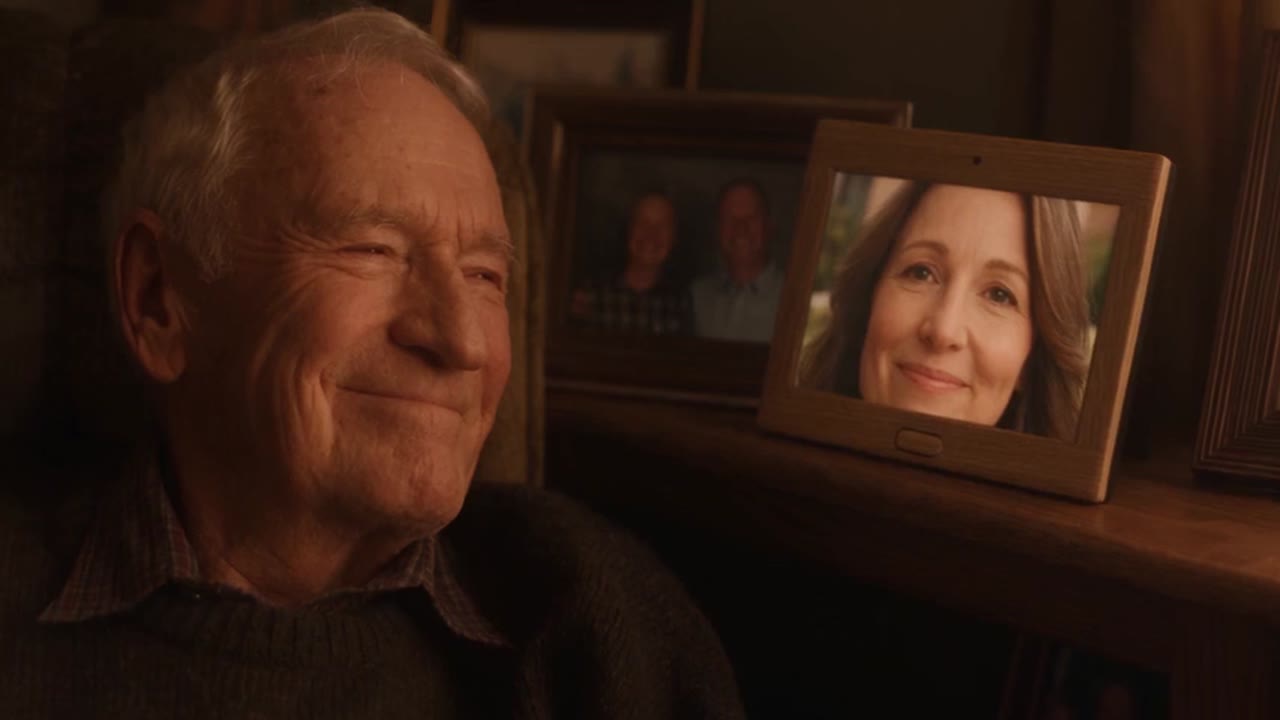
If you grew up in one city and now live in another, you know the shape of the problem. You call when you can. Your mother says she's fine. The call is five minutes, and then the flat is quiet again until the next one.
Everly started from that quiet. We wanted something that could sit in the gap between calls and sound like family, not like a device.
A voice they already trust
Older people don't want to learn a new app, and they don't want to talk to a robot. What they respond to is a familiar voice. So that is where Everly begins: a son or daughter reads a few short prompts into their phone, and Everly learns the tone, the pitch and the cadence of how they actually talk. Then they add the things only they would know, the memories, the inside jokes, the way they'd really answer a question about the weather or the grandchildren.
From then on, the parent just taps and talks. Everly answers in that voice, remembers what she told it last week, and is there at three in the afternoon or three in the morning.
Built for Hong Kong families first
We are a Hong Kong company, and the first thing we got right was Cantonese. Everly speaks English, Mandarin and Cantonese with speech patterns native to each, not translated from one into another. That matters more than it sounds: a parent who switches between Cantonese and English mid-sentence should be understood, and answered, the way their family would.
What it is not
Everly is not a replacement for a phone call, and we would be uneasy if anyone used it that way. The point is the opposite. When the family does call, there is more to talk about, because Everly has been part of the week: it reminds her about the clinic appointment, it hears about the neighbour's cat, and the family sees a short summary of how she has been.
Your voice and your family's conversations belong to you. Each family's memories are kept separate, you decide who can hear the companion, and we don't sell data.
What's next
We are running a field pilot with older users in Hong Kong this autumn, and we are talking to researchers about what daily conversation can tell us about wellbeing. We'll write about both here. If you'd like to try Everly with your own family, the app is on the App Store, and we'd love to hear how it goes.